The Competitive Landscape of Mobile Block Puzzle Games
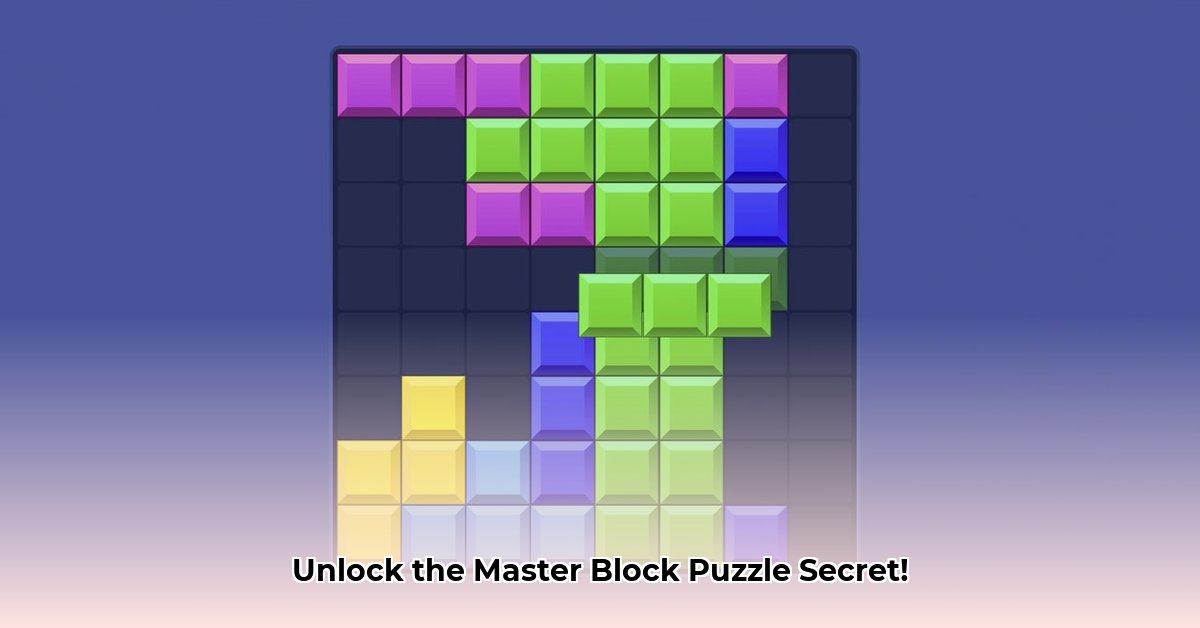
The mobile gaming market is a fiercely competitive landscape, and block puzzle games are no exception. Established titles like Block Blaster and Block Master dominate the space, highlighting the challenges faced by newcomers. But what sets these successful games apart, and what opportunities exist for innovative entrants? The answer lies in understanding player preferences, leveraging compelling mechanics, and implementing sustainable monetization strategies. One key difference between Block Blaster and Block Master demonstrates this: Block Master's larger 8x8 grid offers a more complex challenge, potentially attracting a different player demographic than Block Blaster's simpler design. This highlights the importance of defining a target audience and tailoring the game accordingly. How can your game carve a niche in this crowded market? The key is differentiation. For more in-depth analysis, check out this helpful guide.
Is a larger, more complex puzzle grid the only path to success? What other factors influence player preference and engagement? Data suggests players value a combination of challenge and reward, leading to long-term enjoyment and retention.
Beyond the Blocks: Monetization and Player Retention
Both Block Blaster and Block Master operate on a free-to-play model, but the specifics of their revenue streams remain largely undisclosed. This lack of transparency underscores a critical challenge for new developers: identifying a sustainable and player-friendly monetization strategy. In-app purchases, advertising, or a balanced approach? The optimum strategy depends on careful consideration of potential player reactions. Striking a balance between profit generation and user experience is paramount for long-term success. What models avoid alienating players and ensure continued revenue? This is arguably the biggest hurdle new developers face.
Finding a sustainable monetization approach is only one challenge. How can new block puzzle games retain players in a crowded marketplace? Analysis reveals that Block Blaster's incorporation of a story mode significantly enhances player engagement, whereas Block Master focuses solely on the puzzle aspect. This suggests that narrative elements can dramatically improve retention rates. What other factors contribute to making a block puzzle game truly addictive? The answer lies in understanding the psychology of play.
Key Takeaways:
- Targeted Development: Understanding and catering to specific player preferences is key to success in the competitive block puzzle market.
- Sustainable Monetization: Balancing profit generation with a positive user experience is crucial for long-term viability.
- Engagement Strategies: Innovative gameplay mechanics and compelling narratives can significantly enhance player retention.
Charting a Course to Success: Strategies for Developers, Publishers, and Players
Successfully navigating the block puzzle market requires a multifaceted approach. The following strategies outline key actions for all stakeholders:
1. Developers: * Short-term: Experiment with different monetization models, refine game tutorials, and gather player feedback. * Long-term: Invest in data analysis, innovate gameplay mechanics, and integrate social features.
2. Publishers: * Short-term: Highlight unique selling points (USPs), optimize app store visibility, and employ targeted advertising. * Long-term: Collaborate with other publishers, translate the game for global reach, and maintain consistent updates.
3. Players: * Short-term: Provide constructive feedback, engage in community discussions, and participate in events. * Long-term: Support developers through in-app purchases, spread positive word-of-mouth, and actively engage with the game’s features.
Mitigating Risk: Potential Pitfalls and Solutions
The block puzzle market presents several significant risks:
1. Low Player Engagement (Moderate Probability, High Impact): Mitigate this by introducing daily rewards, challenging events, and regular content updates.
2. Stiff Competition (High Probability, Moderate Impact): This can be addressed through the development of unique mechanics, superior user interfaces, and strategic marketing.
3. Monetization Problems (Moderate Probability, High Impact): Thoroughly test different monetization models and actively gather player feedback.
4. Negative Reviews (Low Probability, Moderate Impact): Promptly address player concerns and implement continuous improvements.
The block puzzle game market demands creativity, strategic planning, and an understanding of player psychology. While the opportunities for success are considerable, managing risks through careful planning and continuous adaptation is crucial for navigating this competitive landscape. The insights shared here provide a foundation for creating a thriving block puzzle game, but ongoing research and adaptation will remain essential for long-term success.
⭐⭐⭐⭐☆ (4.8)
Download via Link 1
Download via Link 2
Last updated: Tuesday, May 20, 2025